


Water Heater Repair or Replacement in Milwaukee, WI: How to Decide
Whether to repair or replace a water heater comes down to six things: the age of the unit, what specifically failed, its overall condition, whether it has been repaired before, its efficiency, and what the repair costs relative to a new one.
Those factors interact. A ten-year-old heater with a failed thermostat and a five-year-old one with a corroded tank point in opposite directions. This article walks through how they weigh against each other, and what we look at when we diagnose one.
Factors That Point Toward Repair
Plenty of water heater failures are component failures rather than unit failures. The tank is sound and one part in front of it quit.
Thermostat. Water comes out lukewarm or scalding with no in-between. On an electric unit there are usually two, and either can fail independently.
Heating element. On electric units, a burned-out lower element means you run out of hot water faster than you used to. A burned-out upper element means almost no hot water at all.
Gas control valve or thermocouple. The pilot will not stay lit, or the burner will not fire. Both are common and both are repairable.
Temperature and pressure relief valve. If it is weeping, it is either failing or it is signaling a pressure problem elsewhere in the system. Worth diagnosing rather than just swapping.
Anode rod. The sacrificial part that corrodes so the tank does not. Replacing it on schedule genuinely extends tank life, and almost nobody does it.
When the unit is in good condition, has not been repaired repeatedly, and one of these is the failure, repair is usually the better value.
Factors That Point Toward Replacement
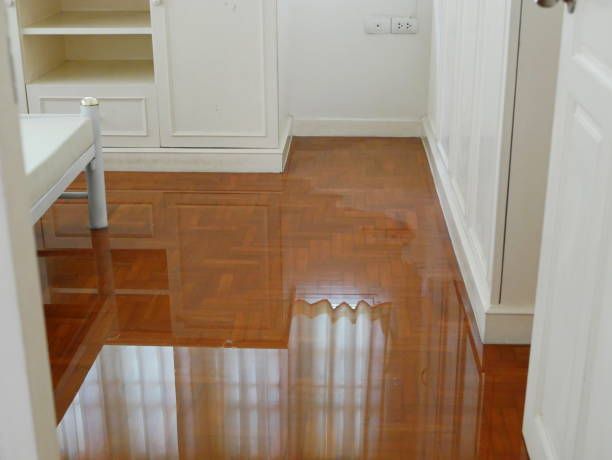
Confirmed tank leak. If the tank itself has rusted through, replacement is the only option, because a rusted tank cannot be repaired. Worth knowing, though: water on the floor near the base does not automatically mean the tank has failed. It can come from the temperature and pressure discharge line, a supply or drain fitting, or condensation on a high-efficiency unit. Those are very different repairs at very different costs. Shut off the water and call, and we will identify the actual source before anyone recommends a new unit.
Age. Conventional tanks generally last eight to twelve years, with hard water areas trending toward the lower end. Age alone does not decide it. A well-maintained eleven-year-old unit with a failed thermostat can be worth repairing, and a poorly maintained six-year-old with a corroded tank is not. Age is one input, weighed against condition and what failed.
Repair cost relative to replacement. When a repair represents a large share of what a new unit costs and buys you a limited amount of time, replacement is generally the better spend. The threshold moves depending on the age and condition of the unit.
Repair history. Multiple failures in a short window usually mean the unit is on its way out rather than that you have had bad luck.
Sediment and efficiency. Rumbling, popping, or a climbing gas bill point to sediment hardened on the tank bottom. The burner runs longer to push heat through it. Once sediment has set, it is not really reversible, and the efficiency loss compounds.
The Milwaukee Factor: Water Hardness and Winter Inlet Temperatures
Two local conditions shift the math here.
Hard water is common enough across the Milwaukee area that we install and service water softeners constantly. Homes without one accumulate tank sediment faster, and it is the reason we see units in this market fail closer to the eight-year mark than the twelve-year end of the range.
If you are replacing a water heater that died early and you do not have a softener, that is worth a conversation, because the replacement will face the same conditions. Our post on the signs of a failing water heater covers what to watch for in the meantime.
The second factor is winter. Incoming municipal water is significantly colder here in January than the annual average, which means your water heater works harder for several months a year than a unit in a warmer state. It also means sizing matters. A unit that is adequate in July can leave you short in February, and it is a common reason people think a healthy water heater is failing. If yours seems to underperform only in winter, get it looked at before you replace it.
Is Tankless Worth Considering?
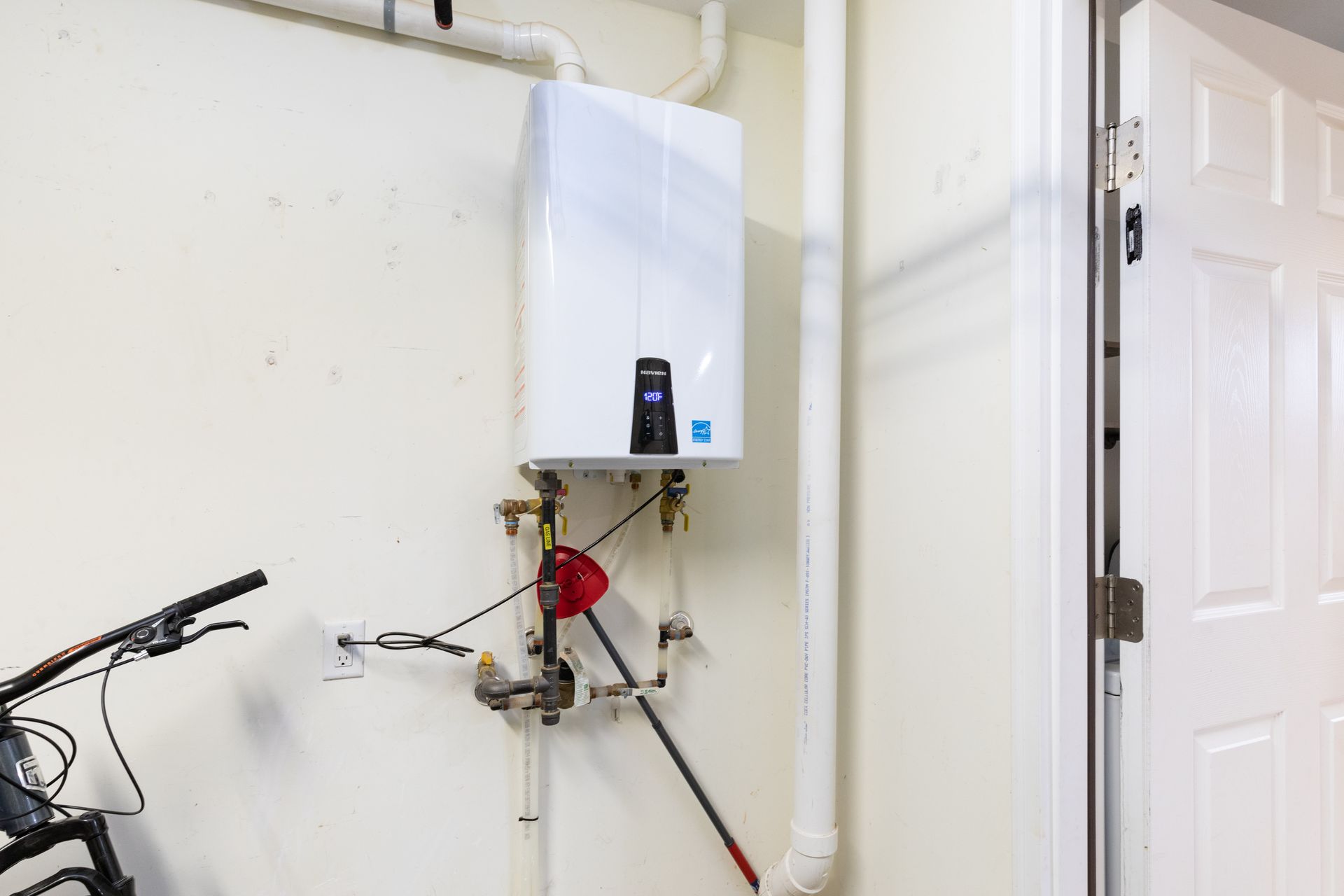
If you are replacing anyway, it is worth asking. Tankless units heat on demand, so there is no standby loss, no tank to rust through, and no 40 gallons of hot water sitting in your basement all night. They typically last fifteen to twenty years.
The honest caveats: they cost more up front, they may require upsizing the gas line or reworking venting in an older Milwaukee home, and in a hard water area they need periodic descaling to keep the heat exchanger clear.
Tankless makes the most sense if you regularly run out of hot water, if you want the floor space back, or if you plan to stay in the house long enough for the efficiency to matter. If none of those apply, a properly sized tank unit is a perfectly good answer. We compared the two in detail in tankless versus storage tank water heaters.
How We Actually Decide
We diagnose before we recommend. That means identifying what failed and why, checking the tank and the connections, and looking at the unit's age, condition, and repair history together.
Then we tell you what we found and give you the repair option and the replacement option with real numbers, so you are choosing between two things you understand. If the repair is the better value, that is what we will say.
Call Oak Creek Plumbing and Remodeling at
(414) 762-4060. We have been doing this in Milwaukee since 1972 and we would rather you trust the answer than buy a tank you did not need. Here is
what we handle, and
everything else we do if the problem turns out to be something else.
Frequently Asked Questions
How long does a water heater last in Wisconsin?
Eight to twelve years for a conventional tank unit, with hard water areas trending toward the lower end. Tankless units commonly last fifteen to twenty years with regular descaling.
Is water around my water heater an emergency?
Shut off the water supply to the unit and call. Water at the base can come from the tank, but it can also come from the T and P discharge line, a fitting, the drain valve, or condensation. Those are very different problems. We identify the source before recommending anything.
Can I replace a water heater myself?
Water heater replacement involves gas or high-voltage electrical work plus combustion venting on gas units. Improper venting is a carbon monoxide risk. This is work for a licensed plumber.
Does a water softener actually extend water heater life?
It reduces the mineral content that forms sediment on the tank bottom, which is one of the main drivers of early tank failure in hard water areas. It is not a guarantee, but it meaningfully shifts the odds.
How fast can you replace a water heater in Milwaukee?
Same-day appointments are often available, depending on call volume and technician availability. A standard tank swap takes most of a morning, including draining the old unit, installing the new one, and verifying the vent draws correctly. If you are in Franklin, we cover it from the same shop.